Blog Details
Role of AI in Orthopedic Diagnosis and Treatment
As Dr Rakesh Mahajan explains, orthopedic care is entering a new era where Artificial Intelligence is becoming an important support system in diagnosis and treatment. The growing use of AI in orthopedic diagnosis is helping doctors deliver faster, more accurate, and more personalized care to patients.
Artificial Intelligence, or AI, is a technology that allows computers to learn from data and make decisions much like a trained human brain, but with greater speed and consistency. In orthopedics, AI is being used to read X-rays, predict surgical outcomes, assist in robotic procedures, design personalized implants, and even identify injuries that may not be visible during routine examination.
It is important to understand that AI is not replacing doctors. It is a powerful tool that supports clinical decision-making. Think of it as an advanced assistant that analyzes vast amounts of data and helps doctors make better, more informed choices for their patients.
How AI Is Helping in Orthopedic Diagnosis
1. Smarter Reading of X-Rays and MRI Scans
One of the most impactful applications of AI in orthopedic diagnosis is in medical imaging. Traditionally, the interpretation of X-rays and MRI scans depends on the expertise and attention of the doctor reviewing them. AI enhances this process significantly.
AI-powered systems can scan medical images within seconds and highlight areas of concern such as fractures, early arthritis, bone tumors, or alignment issues that might otherwise go unnoticed.
In clinical practice, this technology has proven especially useful in detecting subtle injuries that are not immediately visible. This leads to quicker diagnosis, reduced chances of error, and faster initiation of treatment.
2. Early Detection of Arthritis and Bone Degeneration
Arthritis is one of the most common orthopedic conditions, yet it is often diagnosed at an advanced stage. Many patients seek treatment only after experiencing significant pain and joint damage.
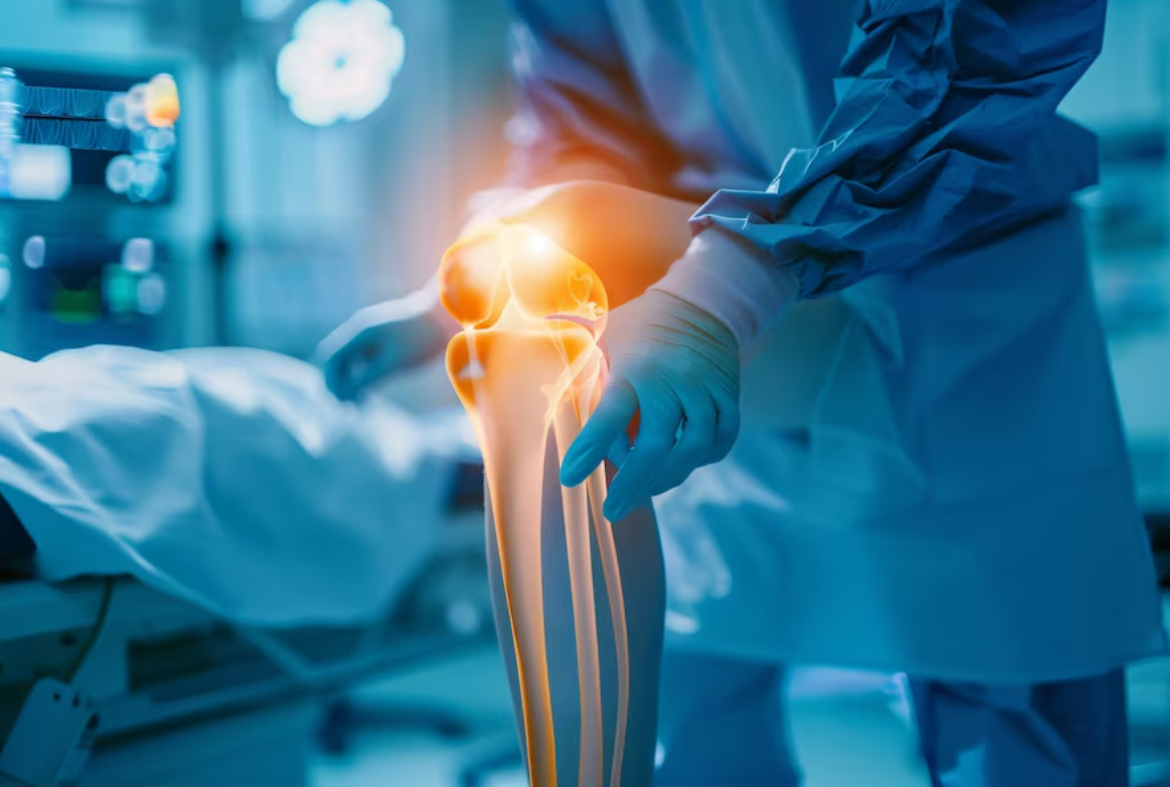
AI is helping shift this pattern by identifying early signs of joint degeneration. Advanced algorithms can detect cartilage wear, joint space narrowing, and minor structural changes even before symptoms become severe. This advancement in AI in orthopedic diagnosis is making early intervention more effective.
Early detection allows timely intervention through medication, physiotherapy, and lifestyle changes, which can slow disease progression and improve long-term outcomes.
3. Predictive Diagnosis Using Patient Data
AI is taking orthopedic care beyond diagnosis into prediction. By analyzing patient history, lifestyle, bone density, and activity levels, AI can estimate the risk of developing conditions such as osteoporosis or fractures.
This predictive capability strengthens the role of AI in orthopedic diagnosis, allowing doctors to adopt a preventive approach rather than waiting for complications to arise. Early action helps protect bone health and reduces the likelihood of major interventions later.
How AI Is Transforming Orthopedic Treatment
1. Robotic Assisted Surgery
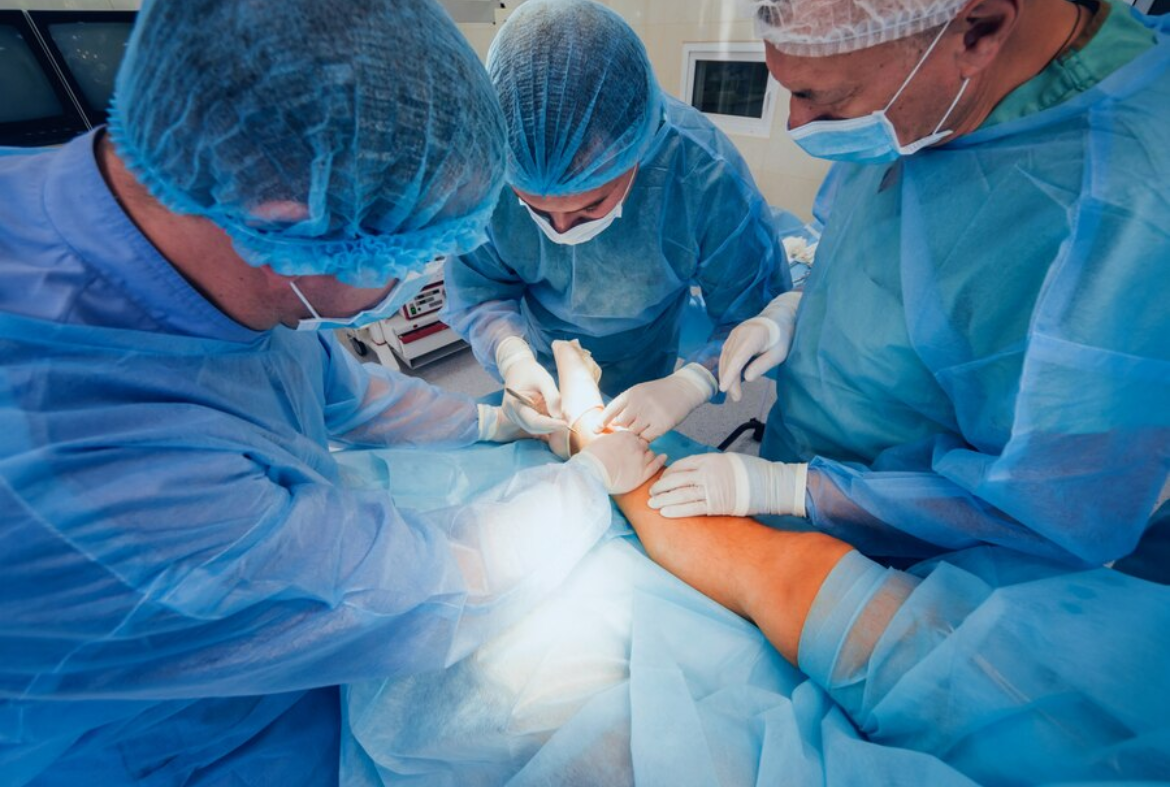
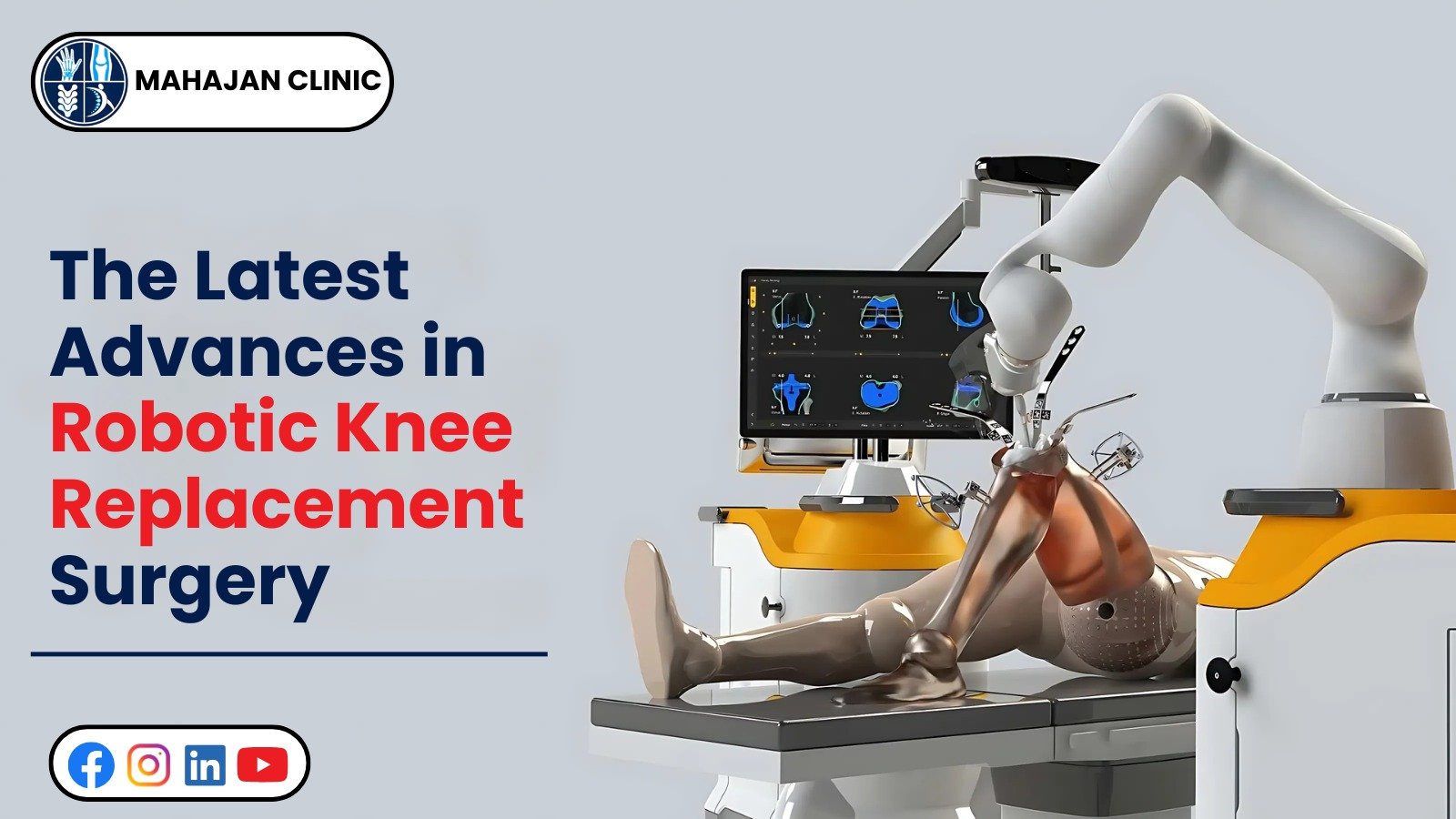
Robotic assisted surgery is one of the most advanced applications of AI in orthopedics. It is commonly used in procedures like knee and hip replacement.
Before surgery, AI systems create a detailed three-dimensional model of the patient’s joint using imaging data. During the procedure, robotic assistance ensures that surgical movements remain within planned boundaries, improving precision.
This results in better implant placement, reduced tissue damage, less blood loss, and faster recovery for patients.
2. Personalized Implant Design
Every patient has a unique anatomical structure. Traditional implants are available in standard sizes, which may not always provide an ideal fit.
AI, combined with advanced imaging and manufacturing techniques, allows for the design of customized implants based on individual bone structure. These implants fit more accurately and function more naturally.
This approach improves mobility, increases implant longevity, and reduces the risk of complications, especially in complex or revision surgeries.
3. Postoperative Monitoring and Rehabilitation
AI continues to play a role even after surgery. Recovery and rehabilitation are critical phases of orthopedic treatment, and AI helps make them more effective.
Wearable devices and mobile applications powered by AI can monitor patient movement, track recovery progress, and provide feedback on exercise performance. Doctors can remotely observe patient progress and make necessary adjustments in treatment plans.
This reduces the need for frequent hospital visits and ensures that recovery stays on track.
AI in Spine Care
Spinal conditions are among the most complex challenges in orthopedics. The use of AI in orthopedic diagnosis is improving accuracy and safety in spine care.
It assists in identifying the exact location of nerve compression, planning surgical procedures with precision, and monitoring conditions like scoliosis over time.
AI also helps determine whether a patient will benefit more from conservative treatment or surgical intervention, supporting better clinical decisions.
Challenges That Need Attention
While AI offers many advantages, there are important challenges that must be considered.
AI systems depend heavily on the quality of data used for training. Inaccurate or limited data can affect performance. AI is also not completely error free and must always be used under the supervision of experienced medical professionals.
Cost and accessibility remain concerns, as advanced AI technologies are currently more available in large healthcare centers. Data privacy is another important factor, and patient information must always be protected.
Future of AI in Orthopedics
The future of AI in orthopedic diagnosis is highly promising. Ongoing advancements are expected to further enhance diagnosis, treatment planning, and patient outcomes.
AI may soon help detect injuries before symptoms appear, predict implant performance over time, and enable more advanced surgical techniques.
The focus will gradually shift from treating diseases to preventing them, improving overall quality of care.
Overall Summary
As Dr Rakesh Mahajan emphasizes, AI in orthopedic diagnosis is transforming orthopedic diagnosis and treatment by improving accuracy, efficiency, and patient outcomes, while still relying on the expertise and judgment of skilled medical professionals to deliver the best possible care.
AI is not just a technological advancement but a meaningful step toward more precise and patient-centered healthcare. By combining human experience with intelligent systems, orthopedics is moving toward a future that is both advanced and compassionate.